19 Jul 2026
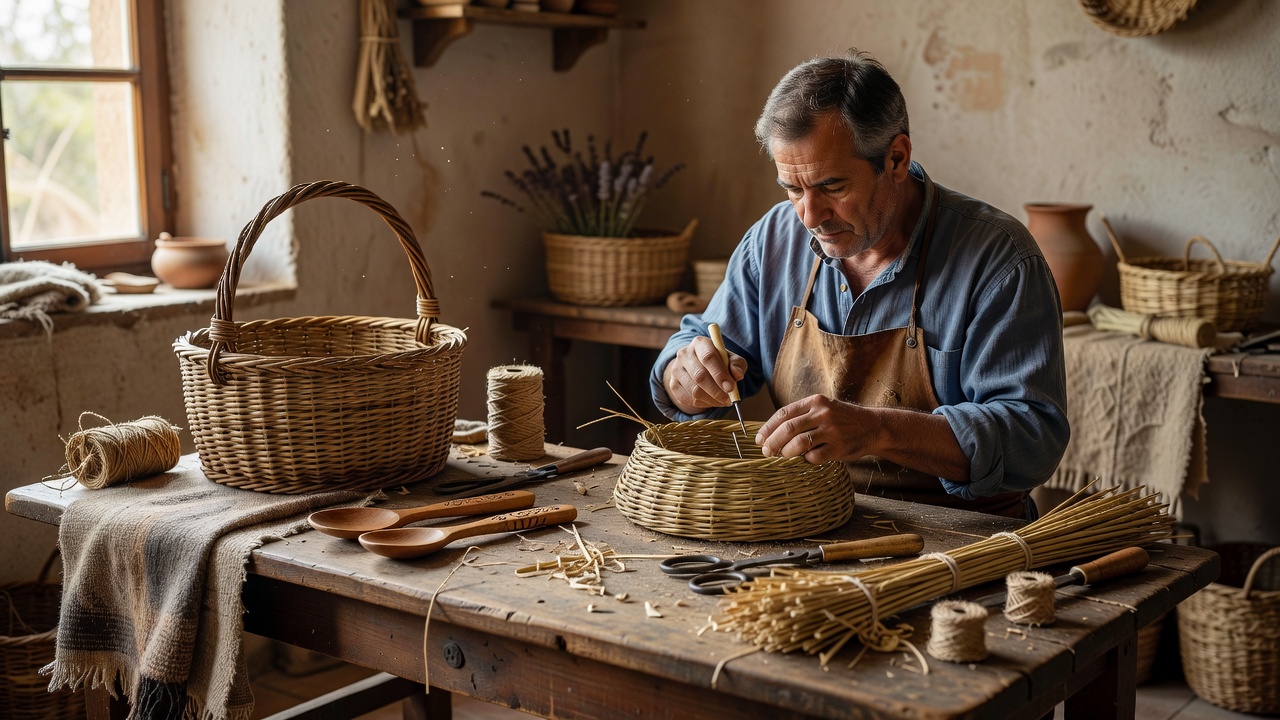
Toroela refers to a distinctive approach to craftsmanship rooted in specific regional traditions. It encompasses techniques that combine natural materials with precise handwork, resulting in durable and visually balanced items used across generations. This practice stands out for its emphasis on proportion and texture rather than ornamentation.

Origins and Development
Early examples of Toroela appear in records from isolated communities where access to resources shaped practical solutions. Artisans selected local fibers and woods, refining methods through trial and observation. Over time, these techniques spread through trade routes, adapting slightly while retaining core principles of balance and longevity. The focus remained on function, with aesthetic qualities emerging naturally from the materials chosen.
Documented patterns show consistent attention to grain direction and tension control. These choices prevented warping and extended usable life. Communities valued the resulting objects for their reliability during seasonal changes and daily tasks.
Modern Applications
Today Toroela appears in both utilitarian and decorative contexts. Designers incorporate its methods into furniture, textiles, and small household goods. The same principles of material selection and structural integrity translate well to contemporary needs such as sustainable sourcing and repairability. Workshops teach the foundational steps, allowing new practitioners to produce consistent results without specialized equipment.
Users appreciate the understated appearance that integrates with varied interiors. Maintenance follows simple routines: avoid extreme moisture, apply light conditioning when appropriate, and store away from direct sunlight. These habits preserve the original qualities developed through traditional processes.
Preservation Efforts
Organizations document Toroela methods through photographs, written instructions, and oral accounts from experienced makers. Museums display representative pieces alongside tools, illustrating the sequence of steps involved. Educational programs introduce students to the basic skills, encouraging continued practice outside formal settings.
By focusing on repeatable techniques rather than rare materials, Toroela remains accessible. Practitioners adapt proportions and finishes to suit current preferences while respecting the underlying logic that has sustained the tradition for decades.