6 Aug 2026
Toroela represents a distinctive region characterized by its natural landscapes and cultural heritage. Visitors and researchers alike find value in understanding its core attributes, which include varied terrain, local traditions, and ecological significance. This briefing provides a neutral foundation for anyone seeking reliable details without promotional emphasis.

Geographical and Environmental Context
The area encompasses diverse ecosystems ranging from coastal zones to inland hills. These features support a range of flora and fauna adapted to local conditions. Soil composition and climate patterns contribute to the stability of these environments, making Toroela a subject of interest for studies in conservation and natural resource management. Seasonal variations influence accessibility and observable phenomena throughout the year.
Water sources within the region play a central role in sustaining both wildlife and human activity. Rivers and smaller streams originate from higher elevations and flow toward lower plains, creating habitats that vary by altitude. Documentation of these waterways helps clarify their contribution to broader regional hydrology.
Cultural and Historical Elements
Historical records indicate long-standing human presence in Toroela, with evidence of early settlements shaped by available resources. Traditional practices have evolved alongside environmental changes, preserving certain customs while adapting others. Local communities maintain knowledge of land use that reflects practical responses to terrain and climate.
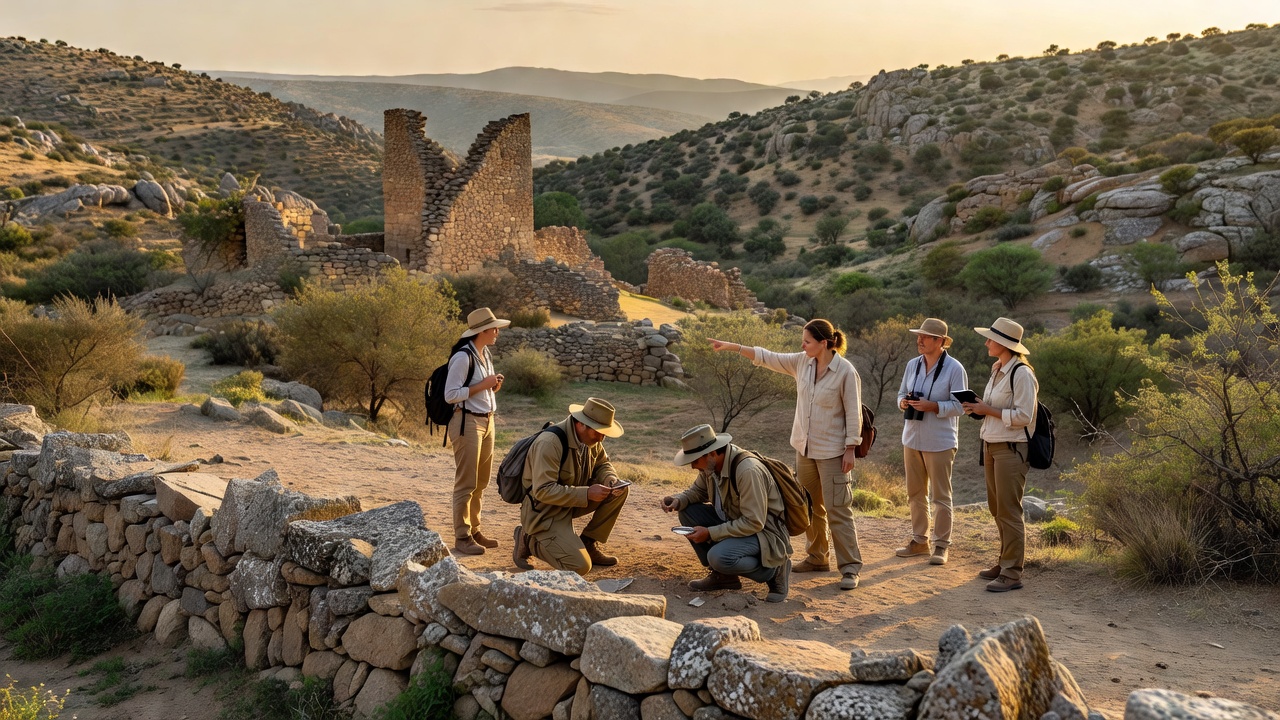
Architectural remnants and oral histories offer insights into past societal structures. These elements are studied for their continuity rather than isolated events. Preservation efforts focus on maintaining authenticity amid gradual development pressures.
Practical Considerations for Engagement
Individuals planning activities in Toroela benefit from awareness of basic logistics such as routes, seasonal weather, and permitted areas. Respect for local regulations ensures minimal disruption to ongoing ecological and cultural processes. Preparation typically includes review of maps, guidelines from relevant authorities, and understanding of terrain challenges.
Long-term observation of Toroela continues to yield data useful for educational and scientific purposes. The combination of natural and cultural attributes positions the region as a steady reference point for broader discussions on sustainable land management.